Related guides: grow mango from seed · growing strawberries in containers
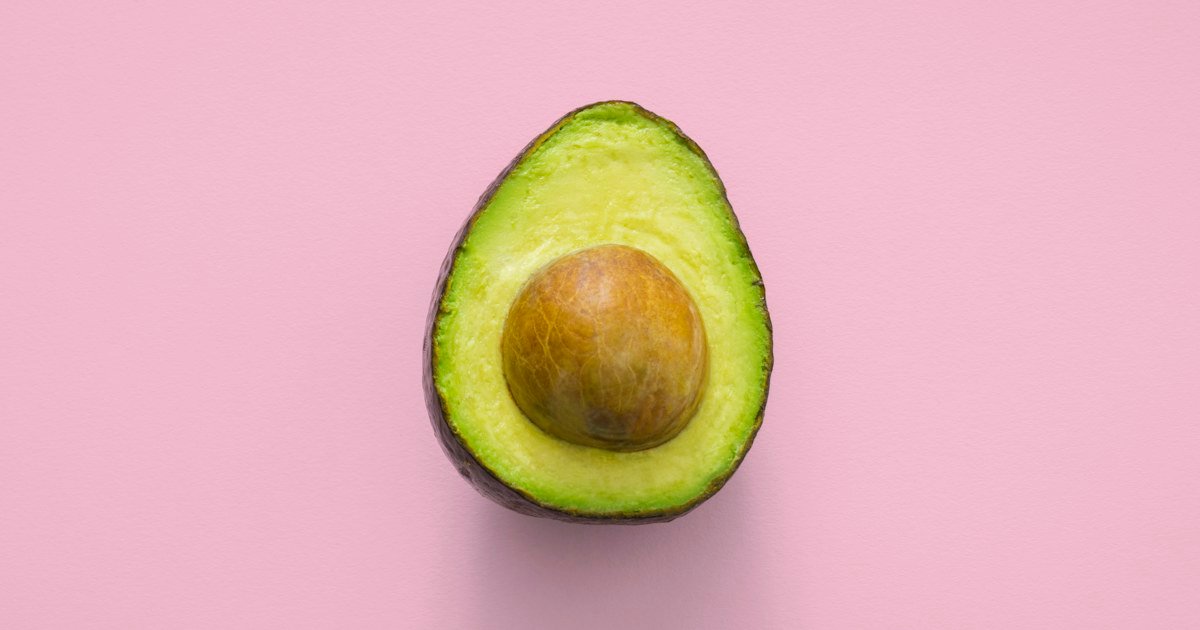
Growing an avocado from a pit is a useful indoor gardening project, but it is usually a way to grow an attractive foliage plant rather than a reliable path to fruit. Start with a clean pit from a ripe avocado, keep the flat end moist and the pointed end upward, and move the sprout into a draining potting mix once roots and a stem are established.
Set the right expectation
An avocado seedling can grow quickly in a warm, bright room, but a seed-grown tree does not reliably produce fruit indoors. Even when it eventually flowers, a seedling may take years to mature and may not reproduce the parent fruit. A grafted nursery tree is the better option for dependable fruit and a known variety.
For a kitchen project, the seed is valuable because it makes root and shoot development easy to observe. Some pits sprout readily and others fail, so starting more than one can improve the chance of a successful experiment.
Clean and identify the pit
Remove all avocado flesh from the pit and rinse away slippery residue. The flat or slightly broad end is the bottom, where roots emerge. The pointed end is the top, where the stem grows. The thin outer skin may peel as the pit sits in water; that is not automatically a problem, but foul odor, soft tissue, or fuzzy decay signals failure.
Use a fresh pit when possible. Do not leave it to dry for a long period before starting. Handle it gently because cracks can make the seed more vulnerable to rot, especially when it is suspended in water.
Method 1: Start the pit in water
- Insert supports. Place three or four clean toothpicks around the middle of the pit, not near the pointed top.
- Position the pit. Rest the toothpicks on the rim of a glass so the flat end sits over the water.
- Set the water level. Keep roughly the lower half of the pit in contact with water without submerging the entire seed.
- Choose a warm bright spot. Use bright indirect light at first and avoid a cold draft.
- Maintain the water. Add water as needed and change it regularly so it does not become stale or foul-smelling.
- Wait for roots and a shoot. Roots normally emerge from the bottom before or around the time a shoot appears at the top.
The water method is easy to watch, but it can encourage mold if the glass is dirty or the water is never changed. A clear glass does not provide a special rooting advantage; it simply makes the process visible.
Method 2: Plant the pit in potting mix
Direct planting avoids moving a delicate water-grown root. Fill a small pot with a loose houseplant mix and moisten it. Plant the pit with the pointed end upward, leaving the upper portion exposed above the mix. Keep the medium evenly moist, not muddy, and place the pot in a warm location with bright light.
Direct planting may be faster for a grower who already has a suitable container and mix. It is less useful for someone who wants to watch the roots develop. Whichever method you choose, the main risks are cold conditions, stale water, poor drainage, and overwatering.
When to move a water-grown pit into soil
Wait until the pit has a healthy root system and a stem with several leaves rather than transplanting at the first crack. Fill a container with drainage holes and light potting mix. Make a hole wide enough for the roots to spread without folding them sharply. Set the pit so the upper half remains visible, then water the mix and let it drain.
Keep the newly potted plant in bright indirect light for a short adjustment period. Increase direct sun gradually if the leaves are not used to it. A sudden change from a dim room to intense midday sun can scorch tender leaves.
For the next step, see the growing tomatoes in pots.
Light, water, and humidity
Avocado plants need strong light for compact growth. A bright window can work, but watch for stretched stems and wide gaps between leaves. Supplemental light may help during short winter days. Rotate the pot occasionally so the plant does not lean permanently toward one direction.
Water when the upper part of the mix begins to dry, then water thoroughly enough to moisten the root ball. Excess water must leave the container. Do not leave the pot standing in a full saucer. Yellow leaves, a soft stem, foul smell, and constantly wet mix point toward a root-zone problem more often than a need for more fertilizer.
Normal household humidity is often adequate for a young plant, though dry forced air can increase water loss. Improve airflow rather than keeping leaves constantly misted. Wet foliage and poor circulation can encourage disease.
Prune and repot carefully
Avocado seedlings can become tall and thin indoors. Once the plant is healthy and established, pinching the growing tip can encourage branching. Make a clean cut and allow the plant to produce new growth rather than repeatedly removing fresh leaves.
Repot when roots circle the container, the plant dries unusually fast, or growth stalls despite good light and care. Move to a pot only modestly larger. A very large pot stays wet around a small root system and makes watering harder to judge.
Should you fertilize an avocado seedling?
Do not fertilize the pit before it has leaves and active growth. The seed supplies early energy. Once the plant is established, use a balanced houseplant fertilizer according to its label and apply it to moist, healthy potting mix. Young roots are sensitive to concentrated salts, so more fertilizer is not a substitute for light and drainage.
If brown tips, white crust on the mix, or sudden wilting follows feeding, stop fertilizer and review the dilution. A flush with plain water may help only if the pot drains freely. Severe salt buildup may require fresh mix.
Why the plant may not fruit
- Seed-grown avocado trees can remain juvenile for years.
- Indoor light may support leaves but not flowering and fruit set.
- Many homes are too cool or seasonally inconsistent for fruit production.
- A container restricts the root system as the tree grows.
- Seedlings are genetically different from the parent fruit.
Enjoy the plant for its leaves and the learning process. If fruit is the goal, select a grafted tree suited to the local climate and plan for the space, light, and pollination it needs.
Frequently asked questions
How long does an avocado pit take to sprout?
Some pits root in a few weeks, while others take much longer or fail. Warmth, freshness, moisture, and seed condition all affect timing.
Which end of an avocado pit goes down?
The flatter, broader end goes down and the pointed end goes up. Roots emerge from the bottom.
Can you grow an avocado tree indoors?
You can grow an avocado seedling indoors as a foliage plant with strong light, warmth, careful watering, and a draining container. Indoor fruiting is unlikely and not guaranteed.
Water method or soil method?
Use the water method when the learning process matters and you can change the water regularly. Use direct potting when you want less handling of the emerging root. Both methods can work; neither removes the need for drainage, warmth, bright light, and careful watering after the seedling is planted.
- University of Nebraska Extension: Start an Avocado From Seed
- University of Florida IFAS: Avocado Seed Experiment
- Florida Extension: Avocado Growing in the Home Landscape