Related guides: hydroponic strawberry guide · hydroponic tower gardening
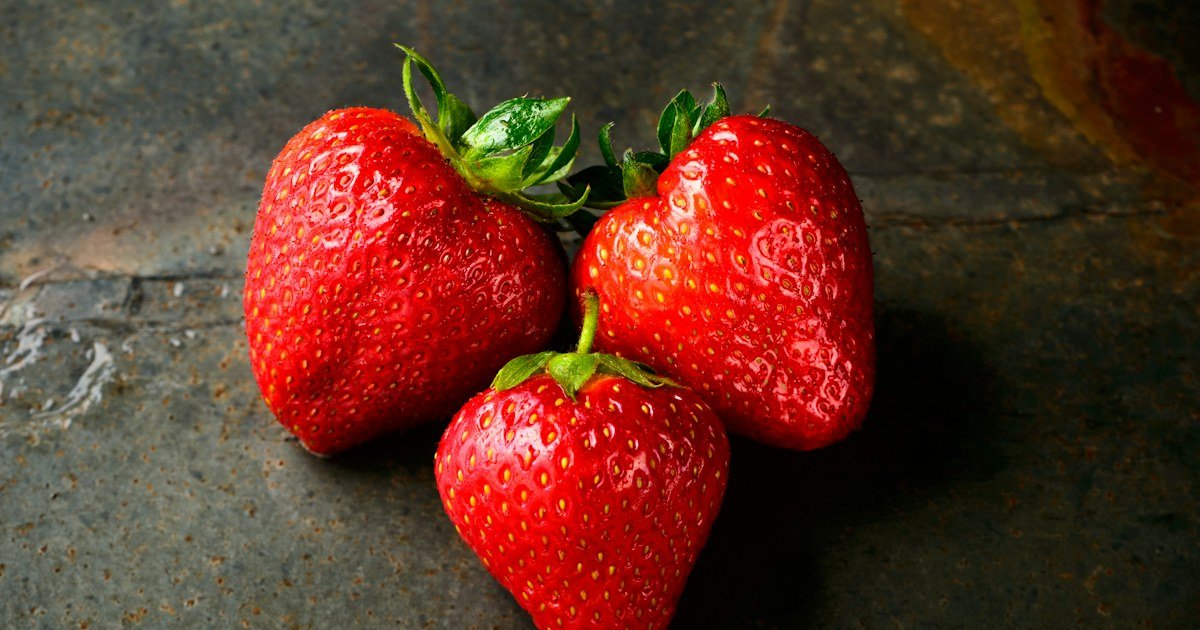
Strawberries grow well in pots when the container drains freely, the crown stays at soil level, and the plant receives strong light. For the quickest first harvest, use a healthy potted plant or dormant bare-root crown. Growing from seed is possible, but it takes longer and may not reproduce the exact traits of the parent plant.
Choose a strawberry type for the container
Strawberries are commonly grouped as June-bearing, everbearing, or day-neutral. June-bearing plants produce a concentrated crop, while everbearing and day-neutral types can produce fruit over a longer season when conditions are favorable. Day-neutral plants are often practical for containers because they can fruit in their first season and do not depend on one short harvest window.
Read the plant label before buying. A strawberry described as a runner-producing plant may need more room than a compact variety, while a day-neutral plant can be managed as a seasonal container crop. In a cold climate, the same plant may be perennial in a protected bed but difficult to overwinter in an exposed pot.
Pick a container with room for roots
Use a container with drainage holes and enough depth for a shallow but active root system. A pot 8 to 12 inches deep can work for individual plants, while a wider planter makes watering and spacing easier. Hanging baskets can grow strawberries, but they dry faster and need more frequent checks. Vertical pockets can work for small plants if each pocket has enough mix and drainage.
Give each plant room for airflow. Crowding a number of plants into a narrow pot can increase humidity around leaves and make the root zone dry unevenly. If a planter is shared, space plants according to the variety and leave enough room to harvest without crushing fruit.
| Planting material | Advantages | What to watch |
|---|---|---|
| Potted starter | Fastest and easiest start | Inspect for pests, disease, and a buried crown |
| Bare-root crown | Inexpensive and easy to ship | Keep roots moist and plant promptly |
| Seed | Interesting and inexpensive experiment | Needs stratification, indoor space, and patience |
Use a light, well-drained potting mix
Fill the container with a quality potting mix that holds moisture without becoming waterlogged. Garden soil is usually too dense for a pot. A mix for containers with organic matter and aerating material can support the roots, but avoid compressing it around the crown.
Place the container where it receives at least six hours of direct sun when possible. Morning sun and afternoon shade can help in very hot climates, while a shaded balcony may produce leaves without much fruit. Rotate a small pot occasionally if one side grows strongly toward the light.
Plant strawberries at the correct depth
The crown is the short central stem between the roots and leaves. It must sit level with the potting mix. If the crown is buried, the growing point can stay wet and rot. If the roots are exposed, they dry quickly and the plant may fail to establish.
- Moisten the mix. It should be damp enough to hold together lightly but not saturated.
- Make a broad hole. Spread bare roots downward instead of bending them into a tight circle.
- Set the crown at the surface. Keep the midpoint of the crown level with the mix.
- Backfill gently. Remove large air pockets without packing the entire pot hard.
- Water thoroughly. Let excess water drain, then check the crown depth again.
Bare-root plants may arrive small, brown, and dormant. Keep them cool and moist, not submerged, and plant as soon as practical. Do not leave the roots exposed to sun or wind while preparing the container.
Water without keeping the crown wet
Strawberries have shallow roots, so containers can dry faster than expected. Check the mix regularly, especially during flowering and fruiting. Water when the root zone begins to dry, then water deeply enough to wet the root ball. Avoid a routine that leaves water pooled in a saucer.
Water at the soil surface rather than spraying the fruit and leaves. A thin mulch layer can reduce splashing and slow evaporation, but keep it away from the crown. Brown, soft fruit touching wet mix is more likely to rot, so use clean straw, a pot cover, or a planter design that keeps berries off the surface.
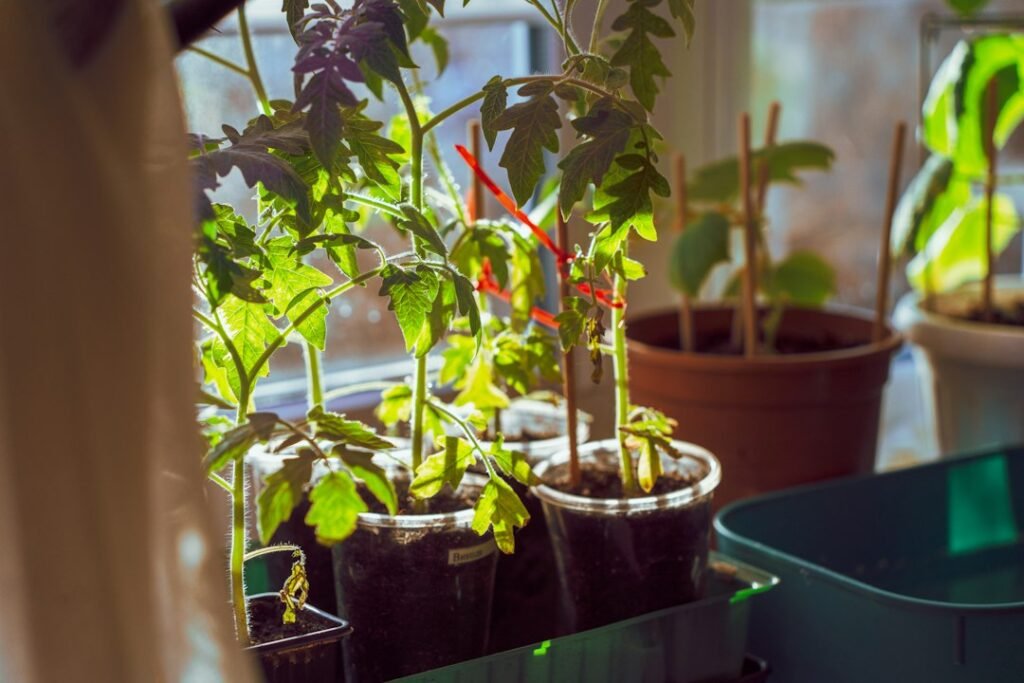
For the next step, see the growing tomatoes in pots.
Feed lightly and protect the crop
Container mix has limited nutrient reserves. Use a fertilizer labeled for fruiting plants and follow the directions. Excess nitrogen can produce large leaves and runners at the expense of flowers and fruit. Do not apply a strong fertilizer to dry roots. Water first if the plant is wilted, then feed according to the label.
Inspect the undersides of leaves and the crown for pests. Slugs, birds, caterpillars, and small mammals can damage fruit quickly. Move the pot away from dense, wet foliage and remove ripe berries promptly. Good airflow and clean growing conditions are more useful than spraying a product automatically.
Should you remove flowers and runners?
Newly planted strawberries need time to establish roots. Some growers remove early flowers from a spring-planted bare-root crown so the plant invests in roots and leaves before carrying fruit. The right choice depends on plant size, variety, and whether you prioritize an early small harvest or a stronger plant later.
Runners are long stems that produce daughter plants. In a small container, runners can drain energy from the mother plant and make the pot crowded. Cut them off unless you have room and a reason to root new plants. If you want to propagate, pin a healthy runner into a small pot of mix while it is still attached, then separate it after roots form.
Growing strawberries from seed
Strawberry seed needs patience. Many sources recommend a period of cold, moist stratification before sowing, followed by bright light and careful moisture indoors. Sprinkle seed on the surface of a fine, moist starting mix rather than burying it deeply. Keep the tray covered only as long as needed to maintain moisture, then provide airflow as seedlings emerge.
Seed-grown plants may not be identical to the parent, especially if the fruit came from a hybrid variety. This is a good project for learning and experimentation, but a starter plant is the better route when the goal is fruit this season.
Are strawberries perennials in containers?
In the ground, strawberries can be short-lived perennials. In containers, roots are more exposed to winter cold and repeated freeze-thaw cycles, so plants are often treated as annuals or protected carefully. In mild regions, move the container to a sheltered place and keep the mix slightly moist. In colder regions, follow local extension guidance for insulating, sinking, or replacing the plant.
Do not bring a dormant outdoor plant into a warm room without checking for pests. A cool, protected location is usually more appropriate than a heated living space.
Harvest and troubleshoot
- Small fruit: check variety, light, pollination, crowding, and feeding before adding more fertilizer.
- Flowers but no berries: cold, heat, poor pollination, or a young plant may be involved.
- Leaf yellowing: inspect the crown and roots for wet mix, then check light and nutrient history.
- Soft fruit: improve airflow, keep berries off wet mix, and harvest as soon as they color.
- Few flowers: move the pot to stronger light if the plant is healthy and the climate allows.
Pick berries when they are fully colored and handle them gently. Strawberries do not continue to sweeten much after harvest, so flavor is usually best when fruit is ripe on the plant and eaten soon.
Frequently asked questions
Can you grow strawberries in a pot?
Yes. Use a draining container, a light potting mix, full or near-full sun, and a variety suited to your climate and harvest goal.
How deep should strawberries be planted?
Keep the crown level with the potting mix. Cover the roots but do not bury the crown or leave the upper roots exposed.
How long do strawberries take to grow?
A healthy starter plant may fruit in its first season, but timing depends on variety, planting date, light, temperature, and establishment. Seed-grown plants take longer.