Related guides: What Is Hydroponics? · Hydroponics for Beginners
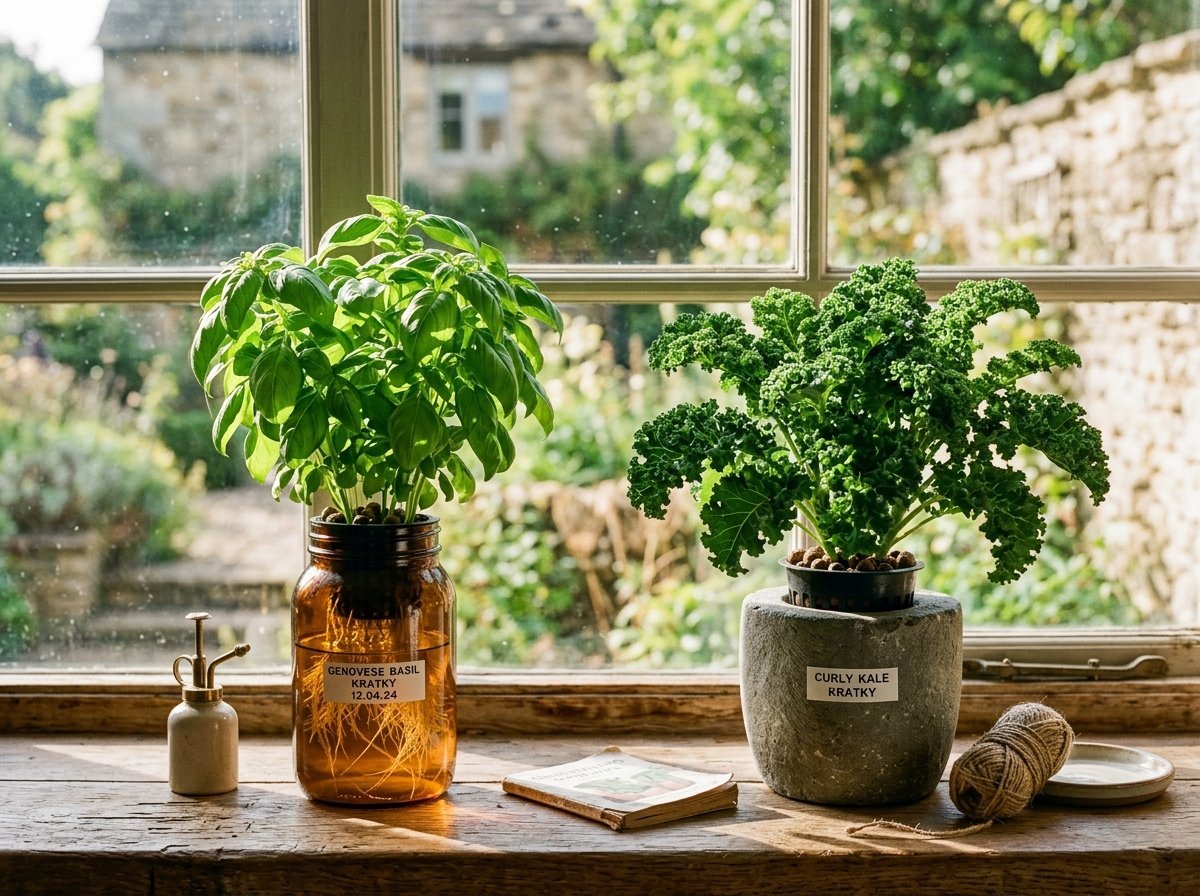
The Kratky method is a passive hydroponic system: a plant sits above a covered reservoir of nutrient solution, and no pump continuously circulates the water. As the plant drinks, the solution level falls and an air gap develops around the upper roots. That combination of a wet lower root zone and an oxygen-rich upper zone is what makes the method work.
How the Kratky method works
A typical setup uses an opaque container, a lid, a net pot, a suitable growing medium, a young plant, clean water, and hydroponic fertilizer. The roots hang through the net pot into the reservoir. At the beginning, only the lower part of the root system should contact the solution. As the level drops, roots that remain above the water can exchange gases while lower roots continue taking up moisture and nutrients.
The method is simple, but it is not just a plant placed in a full jar. The reservoir must hold enough solution for the crop, the container must block light, and the plant needs adequate light and support. A crop that grows faster or drinks more than expected can outgrow a small reservoir.
What you need
- Opaque reservoir: A food-safe bucket, tote, jar sleeve, or purpose-built container that blocks light from the solution.
- Lid and net pot: The lid supports the plant while leaving room for roots to develop below it.
- Growing medium: Clay pebbles, rockwool, or another medium that supports the stem without staying saturated around the crown.
- Hydroponic fertilizer: Use a product intended for soilless growing and follow its mixing directions. Do not guess by comparing teaspoons from unrelated products.
- Light: Use a sunny window only when it provides enough usable light; otherwise use a suitable grow light on a consistent schedule.
- Basic meter and records: pH and EC tools are useful as the system becomes larger, but a measured reservoir volume and a written routine are essential from the start.
Choosing a container and reservoir size
Container size should match both the crop and the time between checks. A small herb may tolerate a compact reservoir, while a mature tomato, pepper, or cucumber can drink heavily and become unstable. A wide, stable container is often safer than a tall narrow jar, especially for a plant that will need a trellis.
Measure the actual working volume rather than relying on the container’s advertised capacity. Mark the full and minimum levels on the outside. Keep the reservoir shaded from direct sun and leave enough headspace for the lid, roots, and air gap. Never allow the plant crown or stem base to sit in standing solution.
Starting a Kratky plant
1. Start with a healthy transplant
A young plant should have a firm stem, healthy leaves, and roots that are not slimy or badly damaged. If starting from seed, germinate it in a medium that can be transferred without tearing the root system. Avoid moving a plant directly from heavy garden soil into a clean hydroponic reservoir because soil particles and microbes can foul the system.
2. Prepare the reservoir
Clean the container and lid, add the measured water volume, and mix fertilizer according to the product label. Add concentrates separately when the label calls for it; do not combine concentrated parts together. If you measure EC or PPM, record the meter scale and the starting reading. Adjust pH only after the fertilizer is mixed and the solution has settled.
3. Set the initial water level
Position the net pot so the lowest roots can reach moisture while the upper portion remains exposed to air. A seedling with very short roots may need a temporary wick or a small amount of top moisture, but do not keep the entire net pot soaked. Once roots extend into the reservoir, reduce top watering so the air gap can develop.
Best crops for Kratky
Leaf lettuce, basil, arugula, bok choy, and many herbs are practical first crops because they are relatively compact and can finish before a small reservoir becomes limiting. The method can also support larger plants, but fruiting crops usually need a larger container, stronger light, physical support, pollination, and more careful water management.
Do not choose a crop only because it looks good in a small jar. Check its mature size, expected water use, root volume, and time to harvest. For a first attempt, one or two leafy plants makes it easier to see how the water level, roots, and leaves change.
Light and plant support
Kratky does not reduce the plant’s need for light. A bright but weak window may produce stretched growth, small leaves, and slow water use. Place the plant where it receives consistent usable light without overheating the reservoir. Keep the container out of direct afternoon heat if the solution becomes warm.
As the canopy grows, support the plant before it becomes top-heavy. A lid can carry only limited weight, and a narrow container can tip. Add a stake or trellis that does not crush the net pot or interfere with the roots.
For the next step, see the DWC guide.
Water level, oxygen, and roots
The water level is a central part of the method. At the beginning, the solution may sit close enough to touch the lower roots. Later, the falling level creates an air space. Do not repeatedly refill to the original level once the plant has established roots, because submerging the entire root mass can remove the oxygen zone.
Inspect roots through a clean access point when possible. Healthy roots are generally firm and light-colored, although color can vary with fertilizer and growing medium. Dark, soft, foul-smelling roots suggest a root-zone problem rather than a need for more fertilizer. Review warm water, stagnant conditions, light leaks, dead material, and excessive water level first.
Nutrients and measurements
Use the fertilizer’s crop and dilution guidance. More fertilizer is not a shortcut to faster growth; excess salts can stress roots and draw water away from plant tissue. EC is a useful indicator of dissolved salts when measured consistently. PPM readings depend on the meter’s conversion scale, so record the scale rather than treating every PPM number as interchangeable.
pH also matters because it influences nutrient availability. Test with a calibrated tool, use a consistent sampling method, and make gradual corrections. The EC to PPM calculator and PPM to EC calculator help convert readings, but they do not diagnose a crop problem.
Common mistakes
- Transparent container: Light in the reservoir encourages algae. Use an opaque container or cover exposed areas.
- Water touching the crown: Keep the stem base and crown above the solution to reduce rot risk.
- Refilling too high: Preserve the air gap as roots develop instead of repeatedly submerging them.
- Small reservoir for a large plant: A mature fruiting crop may empty the container before the next check.
- Too little light: Long stems and pale leaves are often a light problem, not a fertilizer shortage.
- Unmeasured fertilizer: Always calculate from the actual water volume and product directions.
- No support plan: Add stability before a heavy canopy or fruit load makes the container tip.
When to change the solution
A passive system can be run as a single-reservoir cycle for a small, short crop, but larger plants may need a planned change. Replace solution when it is contaminated, strongly out of range, depleted, or when the crop has reached a stage where the original mix no longer fits its needs. Before changing it, record water level, pH, EC, root appearance, and plant symptoms. Those notes are more useful than changing several variables without a record.
Is Kratky right for you?
Choose Kratky when you want a quiet, low-maintenance introduction to hydroponics and can match the crop to the reservoir. Choose DWC when you want active aeration and more flexibility for a larger plant. Choose a circulating system when the crop, scale, or layout benefits from moving solution and you are prepared to maintain a pump and plumbing.
For a broader foundation, read What Is Hydroponics? and Hydroponics for Beginners. For an active reservoir comparison, continue to the DWC guide.
Frequently asked questions
Does Kratky need an air pump?
No. The method relies on a falling water level and an air gap rather than continuous aeration. The crop and reservoir still need enough oxygen access.
How often should I add water?
Check the plant and reservoir on a consistent schedule, but do not refill automatically to the top. The correct action depends on crop size, reservoir volume, root development, and water condition.
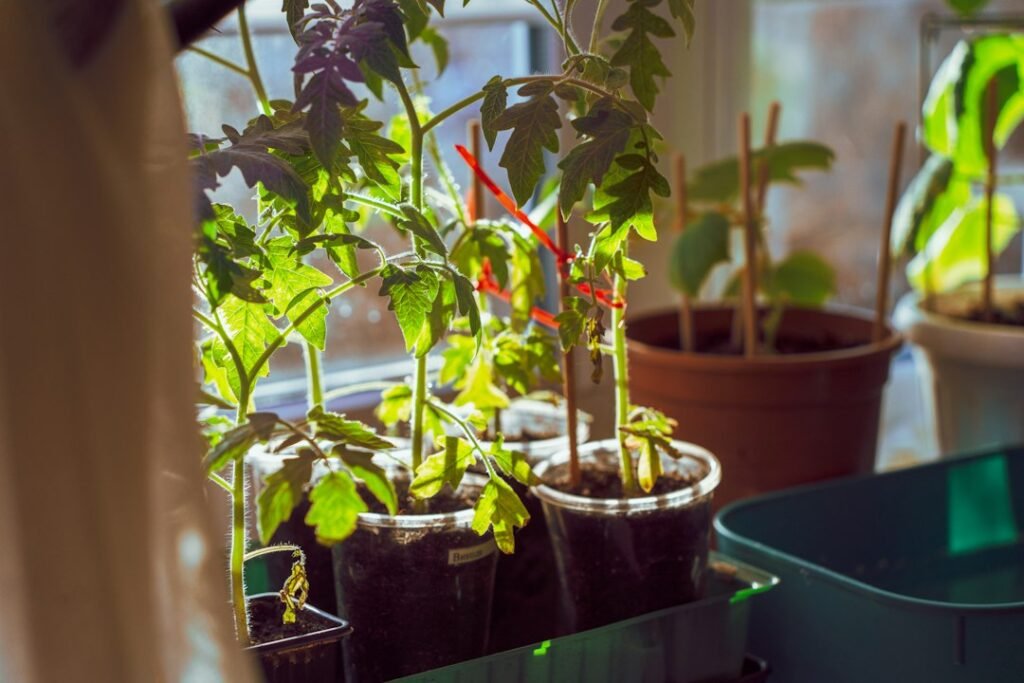
Can tomatoes grow with Kratky?
They can, but a tomato is a demanding first crop. It needs a large stable reservoir, strong light, support, pollination, and close attention to water and nutrient changes.