Related guides: propagation guide · setup checklist
A crop cycle becomes easier to manage when each stage has a clear handoff: germination, seedling, transplant, active growth, and harvest.
Germination and seedlings
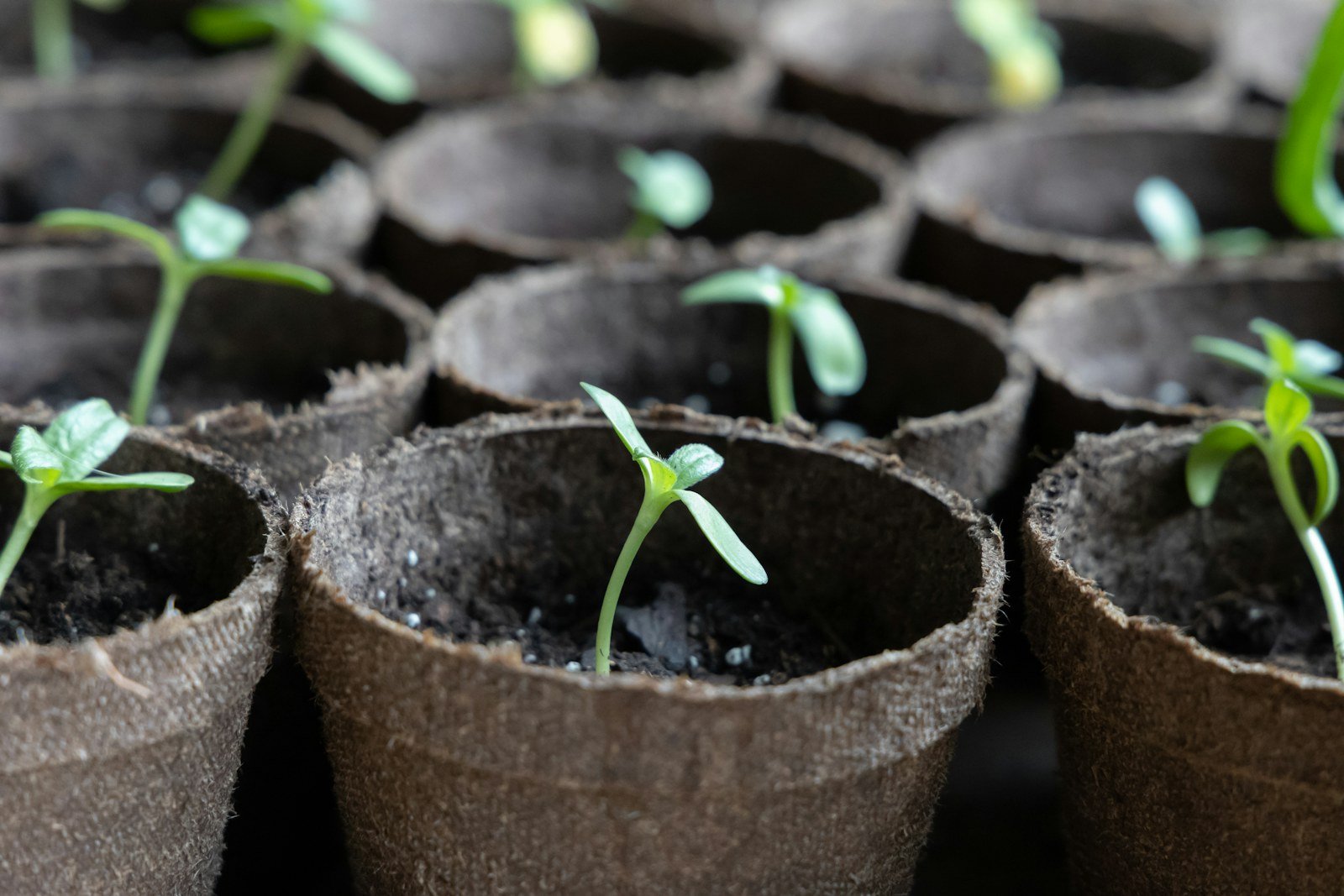
Keep the medium appropriately moist and aerated, provide gentle light after emergence, and avoid a strong nutrient solution before roots and true leaves are established. Check the plug rather than watering by calendar alone.
Transplant and establishment
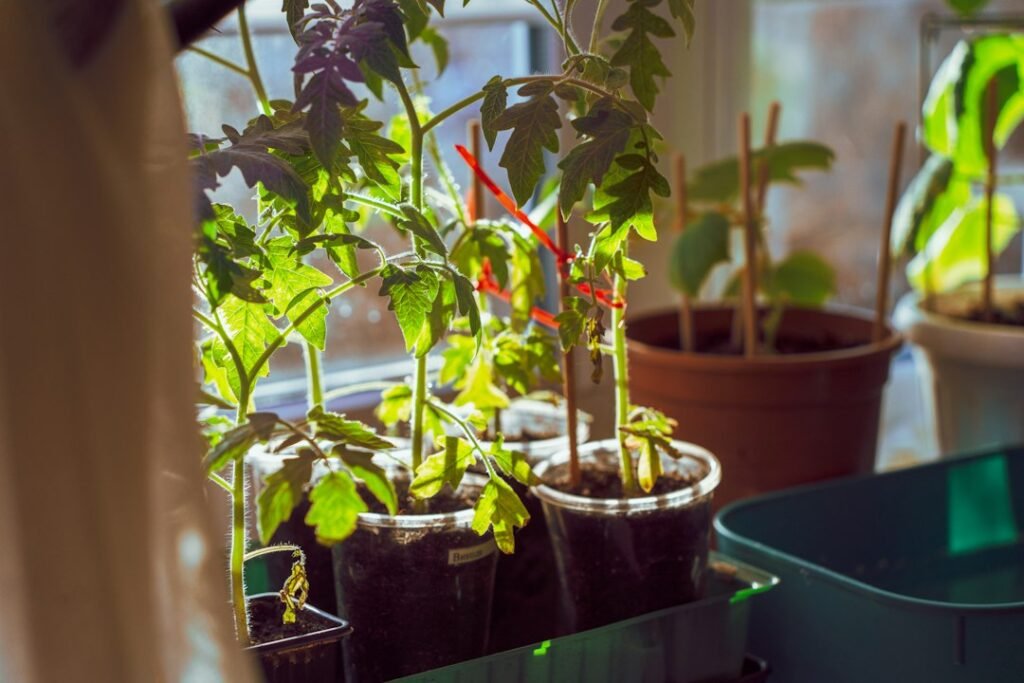
Move the plant when roots hold the plug and the plant can support itself in the new system. Match the light gradually, verify water level and oxygenation, and record the first pH and EC readings so later changes have context.
Active growth and harvest
As the canopy expands, water use and light demand change. Keep a routine for reservoir checks, airflow, root inspection, and pruning where appropriate. Harvest leafy crops before crowding becomes a humidity problem, and give fruiting crops the support and pollination they need.
Keep a short log of crop stage, water added, pH, EC, temperature, and what changed. That record is more useful than a generic schedule when the next crop begins.
For the next step, see the growing spinach hydroponically.
Give each stage a handoff
Germination needs appropriate moisture and air around the seed. Seedlings need enough light for compact growth without being pushed into a strong environment before the roots are established. Transplant only when the roots and media can be moved without tearing the crown or leaving the plant unsupported.
Change the routine as the plant grows
After transplanting, confirm that the root zone is receiving the intended moisture and oxygen. As the canopy expands, recheck light coverage, spacing, airflow, and water use. A recipe that was acceptable for a small seedling should not be increased automatically just because the plant looks larger.
Keep a short log of the date, crop stage, reservoir changes, pH, EC, light schedule, and observations. This makes it easier to separate a transition problem from a slow change in the room. Use the propagation guide for the start and the setup checklist before the main system is planted.
Harvest is part of the plan
Decide whether the crop will be cut once, harvested repeatedly, or allowed to fruit. That choice affects spacing, support, light, and how long the reservoir must remain stable. Record what worked so the next cycle starts with a measured plan rather than a new guess.