Related guides: PPFD versus DLI guide · slow hydroponic growth guide
Wattage tells you how much electrical power a fixture draws. It does not tell you how evenly useful photons reach your plants.
Look for the right measurements
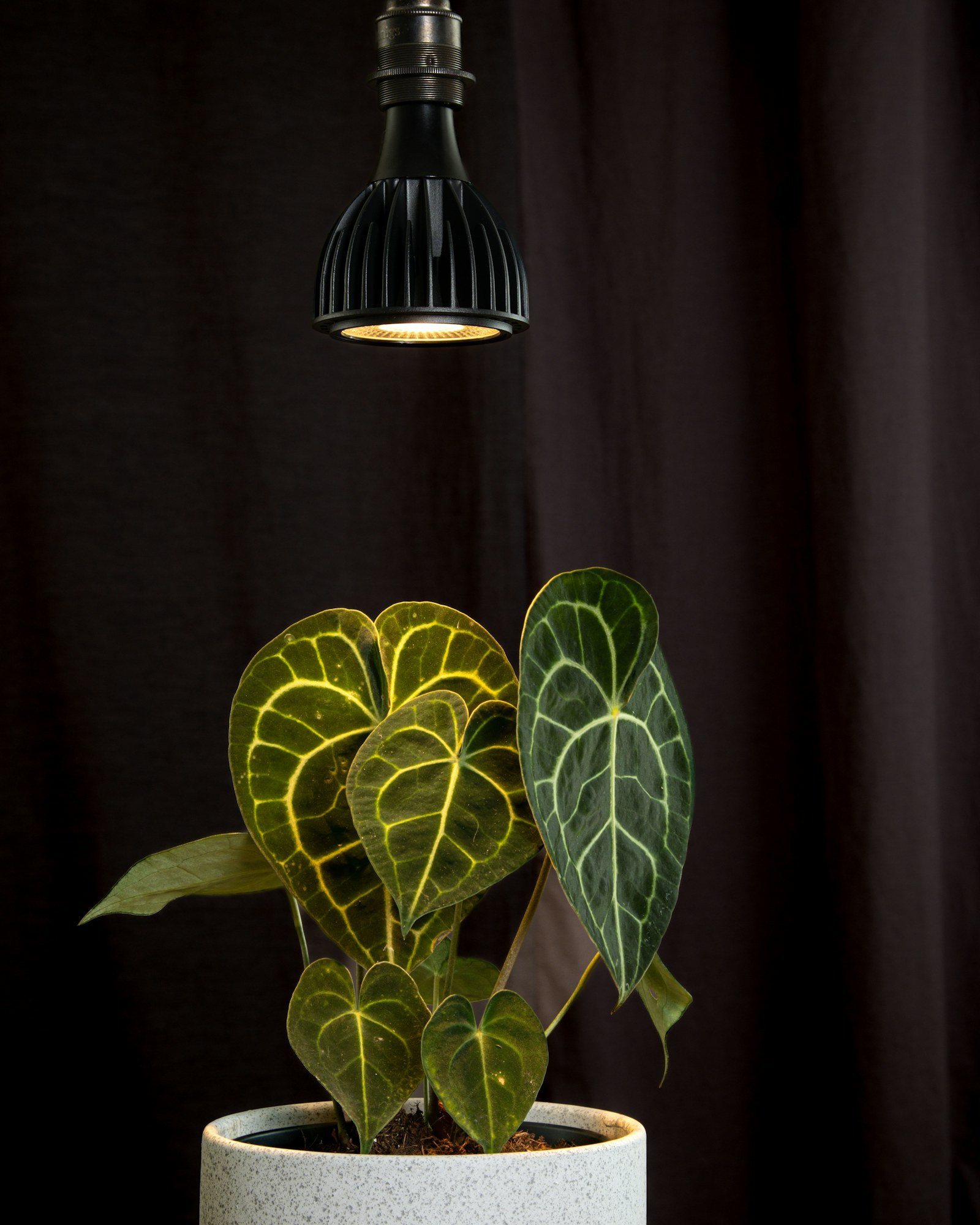
PPFD maps, coverage area, spectrum information, dimming range, hanging height, and efficiency are more useful than wattage alone. A high-wattage fixture can still be poorly matched to a small shelf.
Match the fixture to the crop
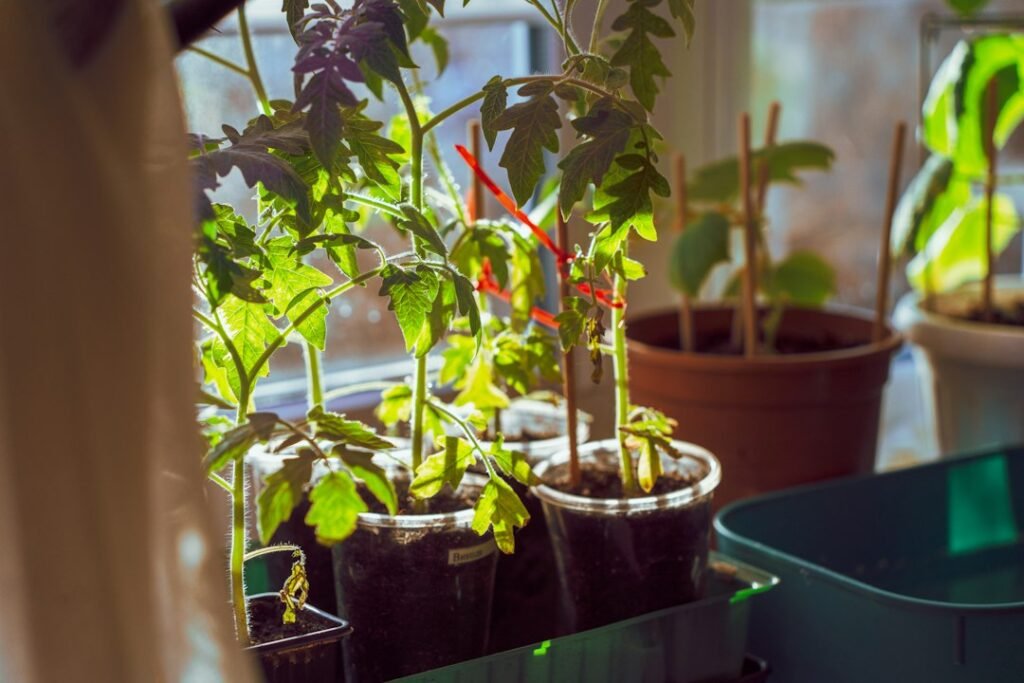
Leafy greens and herbs may need a different canopy intensity and footprint than tomatoes or peppers. The room’s heat load and the light’s physical size matter in an apartment.
Adjust with evidence
Use a light meter designed for plant light when possible, or follow a reliable manufacturer map. Watch new growth and canopy temperature after every adjustment rather than copying a distance from a different fixture.
What wattage can and cannot tell you
Wattage describes electrical power drawn by the fixture. It does not show how photons are distributed over the growing area, how much heat reaches the canopy, or whether the fixture is being run at full power. Two fixtures with similar wattage can produce different coverage and intensity.
For the next step, see the leggy seedling troubleshooting guide.
Read a PPFD map carefully
Look for the measurement distance, test area, dimmer setting, and whether the map includes the corners. The number at the center is not the average across a shelf. A fixture that is strong in one small spot may be less useful than a more even fixture over the full canopy.
Connect the reading to the schedule. PPFD is a moment; DLI is the daily dose. Use the PPFD versus DLI guide and DLI calculator rather than comparing lights by watts alone.
Use the room as the test
- Measure at canopy height and across the intended footprint.
- Check heat and airflow where the leaves actually grow.
- Record dimming, photoperiod, and plant response.
- Compare electricity use with coverage, not just fixture price.
Wattage is useful for budgeting and electrical planning. It becomes useful for plant decisions only when combined with distribution, distance, schedule, and crop response.