Related guides: Kratky method guide · DWC guide
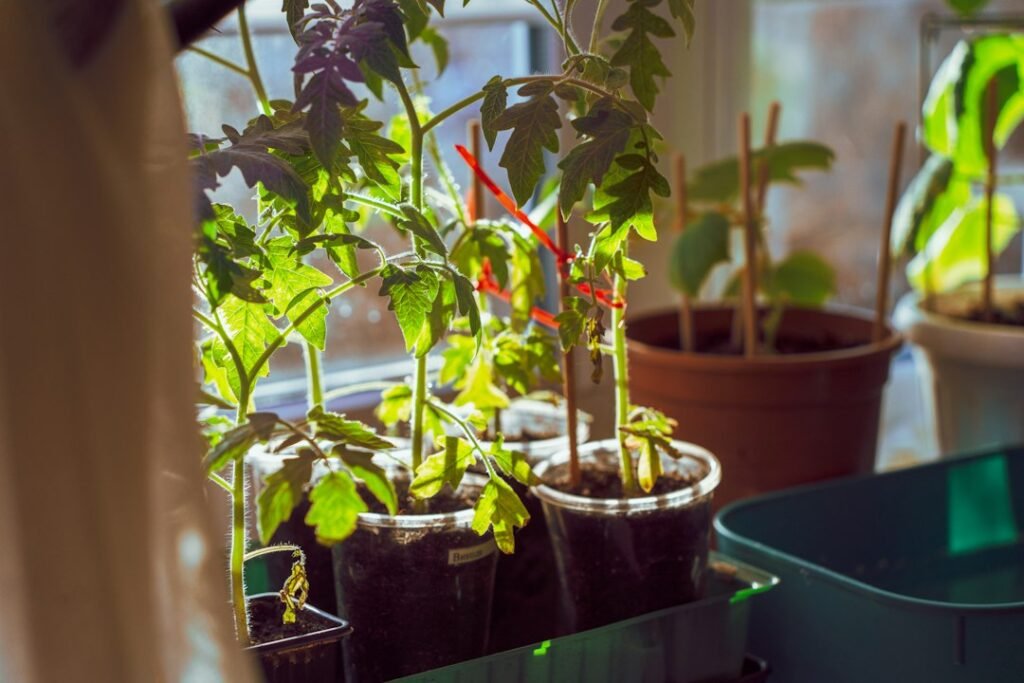
A good first hydroponic setup is small, stable, easy to clean, and matched to the crop and light you can actually provide. You do not need a greenhouse or a complicated tower to begin. A covered reservoir, a supported plant, a measured nutrient solution, and a repeatable checking routine are enough to learn the fundamentals.
What hydroponics means
Hydroponics grows plants without ordinary garden soil. The root zone receives water and mineral nutrients through a reservoir, wick, channel, drip line, raft, or another system. A growing medium may hold the plant upright, but it is not expected to supply the complete nutrition that soil normally provides.
The plant still needs the same essentials: water, mineral nutrients, oxygen around the roots, light, a suitable temperature, and physical support. Hydroponics gives the grower more control over those inputs, but it also makes mistakes more immediate. A forgotten pump, a light leak, an overconcentrated fertilizer mix, or a poorly supported plant can affect the crop quickly.
Choose a forgiving first crop
Leaf lettuce, basil, arugula, bok choy, kale, and compact herbs are usually easier first crops than tomatoes, cucumbers, or large peppers. Greens grow quickly, need less structural support, and can be harvested before a small reservoir becomes difficult to manage.
Pick one crop rather than mixing plants with very different growth rates and nutrient demands. Check the mature size, expected harvest time, root space, light requirement, and whether pollination is needed. A crop that fits the system is more useful for learning than an ambitious crop that outgrows it.
Choose the simplest suitable system
Kratky
A Kratky system has no continuously running pump. A plant sits above an opaque reservoir, and the falling water level creates an air gap. It is quiet and inexpensive, making it useful for leafy greens and herbs when the reservoir is sized correctly. Read the Kratky method guide before filling a jar and submerging the entire root zone.
Deep water culture
DWC keeps roots in an aerated reservoir. An air pump and air stone add oxygen, which can support a larger plant than a small passive jar, but the pump becomes an important failure point. The DWC guide explains water level, aeration, temperature, and maintenance.
Circulating systems
NFT, ebb and flow, drip, and vertical systems move nutrient solution through channels, media, or planting sites. They can use space efficiently, but pumps, plumbing, timers, and return paths add inspection points. Start with a circulating system when its layout solves a real space or crop problem, not just because it looks advanced.
A practical first setup
- Select a location: Choose a level surface near the light and an electrical outlet, away from heat sources and places where a leak can damage furniture.
- Match the reservoir to the crop: Use a stable, opaque container with enough working volume for several days of normal plant use.
- Plan support: Make sure the lid, net pot, raft, trellis, or clips can carry the mature plant, not just the seedling.
- Test equipment with plain water: Run pumps, air stones, tubing, drains, and timers before adding fertilizer or plants.
- Start with healthy material: Use clean seedlings or seeds started in a suitable medium. Avoid carrying heavy soil into a clean reservoir.
- Record the baseline: Write down water volume, fertilizer product, pH, EC or PPM scale if measured, light schedule, and date.
Water and nutrient mixing
Measure water by volume and follow the fertilizer label. If a product has multiple parts, dilute each part separately as directed; never mix concentrated parts together. Add nutrients before making final pH adjustments because the fertilizer changes the solution.
EC is a measurement of electrical conductivity and acts as an indicator of dissolved salts. PPM is a conversion convention, so two meters can show different PPM numbers for the same solution. Record the scale with every PPM reading. The EC to PPM calculator and PPM to EC calculator help with conversions, not with choosing a fertilizer dose.
pH affects how available nutrients are to roots. Test with a calibrated meter or a consistent test method, and adjust gradually. A number that changes rapidly may point to water alkalinity, plant uptake, evaporation, nutrient strength, or root trouble. Repeatedly adding pH adjuster without finding the cause can create a larger swing.
For the next step, see the What Is Hydroponics?.
Light is not optional
Hydroponic fertilizer cannot compensate for weak light. Put the light close enough to provide useful intensity without bleaching or overheating leaves. Keep the schedule consistent and inspect the canopy for stretching, pale new growth, leaf-edge stress, and uneven coverage.
PPFD describes the light intensity at a point, while DLI describes the total daily light received. The DLI calculator can turn a PPFD estimate and daily schedule into a rough total. Measure or observe at canopy height rather than relying only on the fixture’s wattage.
Daily and weekly routine
Every day or close to it
- Look at leaves for wilt, heat stress, stretching, pests, and sudden color changes.
- Check the water level, pump or air-pump operation, leaks, and unusual noise.
- Confirm the light is running on schedule and the plant remains stable.
Once or twice each week
- Measure pH and EC when possible, recording the time and solution temperature.
- Inspect roots through an access point without exposing them to unnecessary light.
- Remove dead leaves and clean spills before residue attracts pests or damages equipment.
- Compare growth with the previous week instead of reacting to one leaf.
Between crops
- Drain old solution and remove plant debris.
- Clean and sanitize reusable parts according to their material and the product label.
- Rinse thoroughly, inspect seals and tubing, and test the system with plain water.
How to troubleshoot in the right order
Start with physical conditions before adding fertilizer. First check that the plant has light, water access, root oxygen, suitable temperature, and stable support. Then review pH, EC, water quality, and the crop’s age. Finally consider pests, disease, or a specific nutrient problem.
| Symptom | Useful first checks |
|---|---|
| Wilting | Water level, pump, roots, heat, recent transplanting, and light intensity |
| Yellow leaves | Whether old or new leaves are affected, pH, EC, roots, light, and plant age |
| Long weak stems | Light intensity, fixture distance, crowding, airflow, and crop genetics |
| Green reservoir | Light leaks, uncovered media, transparent tubing, and cleaning routine |
| Slow growth | Light, temperature, root space, oxygen, crop stage, and nutrient strength |
| Dark or soft roots | Warm stagnant water, weak aeration, crown moisture, debris, and light exposure |
Electrical and food safety
Keep plugs and connections above splash level, create drip loops in cords, and disconnect power before handling a submerged pump or air stone. Use protection appropriate for the location and do not place electrical equipment where a reservoir spill can reach it.
For edible crops, use clean water and clean equipment. Remove dead roots and plant debris, wash harvests using normal food-safety practice, and do not put unverified chemical treatments into a food-growing system. Keep fertilizer concentrates away from food, children, and pets.
When to scale up
Scale only after the small system is predictable. Move to a larger reservoir, more plants, stronger lighting, or a circulating design when you can explain your current water use, nutrient routine, light schedule, and maintenance time. More equipment creates more possible failure points, so scale for a clear benefit such as crop size, harvest volume, or available floor space.
For a broader foundation, read What Is Hydroponics? and How Hydroponics Works. If apartment constraints are the main issue, compare the apartment setup guide and the small-space plan.
Frequently asked questions
Is hydroponics expensive to start?
It can be inexpensive when you begin with one small passive container and a suitable crop. Costs rise with pumps, lights, plumbing, meters, automation, and larger plants.
Can I use tap water?
Sometimes. Test or review the water’s mineral content and consistency, then choose a fertilizer routine that fits it. If water quality varies greatly, the same recipe may not behave consistently.
How often should I change hydroponic water?
There is no single schedule for every crop and system. Base the decision on reservoir size, plant uptake, measurements, contamination, and crop stage. Always replace visibly contaminated or badly unbalanced solution and record what changed.