Related guides: growing tomatoes hydroponically · growing peppers hydroponically
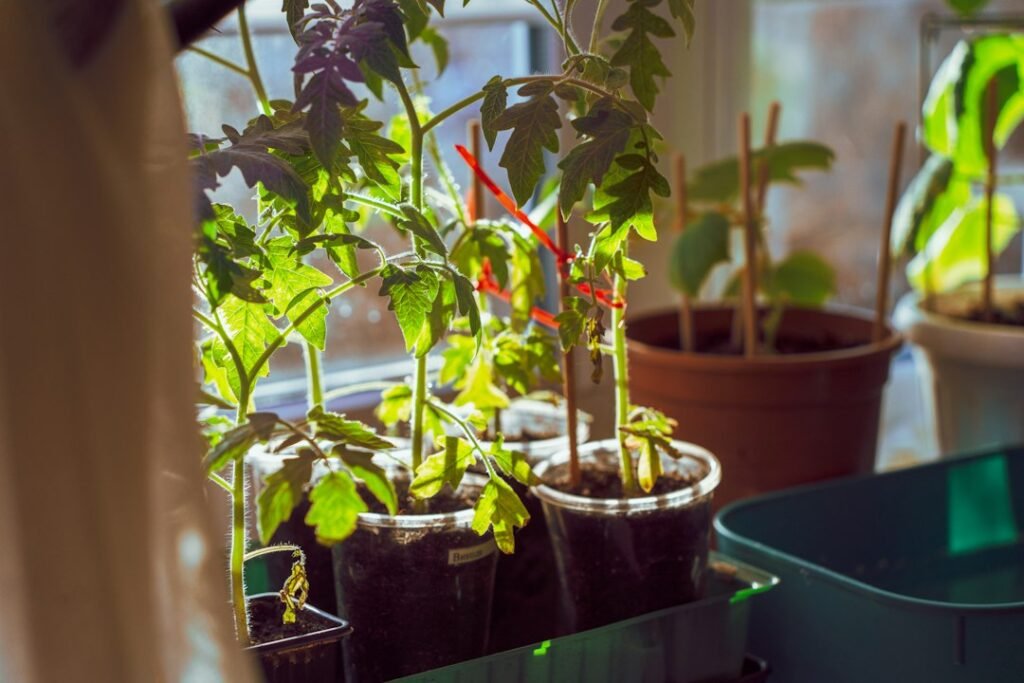
Growing tomatoes in pots works well on a patio, balcony, deck, or small garden when the container is large enough, the plant gets strong light, and watering stays consistent. The most dependable setup is one healthy tomato plant in a container with drainage, fresh potting mix, a support installed early, and a plan for feeding as the plant grows.
Choose the tomato before choosing the pot
Tomato varieties differ in size and growth habit. Determinate or dwarf plants stay more compact and are easier to manage in a pot. Indeterminate varieties keep producing new stems and fruit through the season, but they need a larger root zone, a sturdy cage or trellis, and more frequent attention. A label that says patio, dwarf, compact, or container is a useful starting point, but the mature height and spread matter more than the marketing name.
For a first container, choose a variety that matches the support you can actually provide. A small balcony may be better suited to a compact cherry tomato than a vigorous slicing variety. If you want full-size fruit, plan for a larger container and a support structure that can carry a heavy, leafy plant.
Use a container large enough to stay stable
One tomato plant needs its own container unless the planter is exceptionally large. A five-gallon pot can work for a compact plant, while a full-size tomato is more forgiving in a container holding 10 gallons or more. A pot at least 12 inches deep gives the root system room, but extra volume also helps the mix hold moisture during hot weather.
| Tomato type | Practical container starting point | Support |
|---|---|---|
| Dwarf or patio | 5 gallons or larger | Short cage or stake |
| Compact determinate | 5 to 10 gallons | Cage matched to mature height |
| Indeterminate | 10 gallons or larger | Strong cage, trellis, or stake |
The container must have drainage holes. A decorative cachepot without drainage is not a safe growing container unless the plant sits in a separate draining pot that can be removed for watering. Do not put a layer of gravel in the bottom as a substitute for drainage holes; it reduces the depth available to roots without solving a blocked outlet.
Prepare the potting mix
Use a quality potting mix rather than garden soil. Potting mix is lighter and designed to hold water while still allowing air around the roots. A mix containing peat or coir, fine bark, and perlite or another aerating material can work well. Avoid packing it down tightly. Fill the container a few inches below the rim so water does not run over the sides, then moisten the mix before planting.
Set the container where the plant will receive at least six hours of direct sun, with more light often helpful for fruit production. Check the position at different times of day. A sunny windowsill is usually not equivalent to an outdoor full-sun location, and a balcony wall can reflect extra heat onto the leaves and pot.
How to plant a tomato in a container
- Install support first. Put the cage, stake, or trellis in place before the root ball fills the container. Adding it later can damage roots.
- Water the seedling. A hydrated root ball is easier to handle and less likely to collapse during transplanting.
- Remove lower leaves if needed. If the plant is tall and healthy, remove the lowest leaves that would otherwise be buried. Do not strip the entire plant.
- Plant at the correct level. Tomatoes can form roots along buried stems, so a leggy seedling can be planted deeper than it grew in its original pot. Keep the upper leaves above the mix and avoid burying a woody stem so deeply that it bends.
- Firm the mix gently. Press around the root ball just enough to remove large air pockets. Do not compress the whole container.
- Water slowly. Apply water until some drains from the bottom, then let the excess leave the container completely.
Water deeply, then check the root zone
Container tomatoes do not follow a universal calendar. Wind, temperature, pot size, plant size, and the type of mix all change how quickly the container dries. Check the mix with a finger or moisture check near the root zone. If the top couple of inches are dry and the pot feels much lighter, water thoroughly. In hot weather a large plant may need water daily, and a small pot may need attention more than once a day. The goal is consistent moisture, not permanently saturated soil.
Water at the base of the plant and keep leaves as dry as practical, especially late in the day. Water should be able to drain freely. If the mix repeatedly stays wet, check the drainage holes, the saucer, and whether the container is too large for the root ball or placed where rainwater collects.
For the next step, see the indoor grow-light guide.
Feed for steady growth
Fresh potting mix often contains a starter charge, but a tomato that grows for an entire season will eventually need additional nutrients. Use a fertilizer labeled for vegetables and follow the product directions. Fruiting plants need more than nitrogen alone; excessive nitrogen can produce a large leafy plant with disappointing fruit. A fertilizer with a balanced analysis or one intended for tomatoes can be appropriate, but the label rate must be adjusted to the container and product.
Do not feed a severely wilted or bone-dry plant before watering it. Fertilizer salts are more likely to stress dry roots. If white crust accumulates on the mix or pot, or leaf tips turn brown after repeated feeding, pause fertilizer and water thoroughly if drainage is good. Serious salt buildup may require replacing some or all of the mix.
Support, prune, and improve airflow
Support the plant while it is still small. A cage that is too short becomes difficult to use once stems are tangled. Tie stems loosely with soft material rather than cinching them against a stake. Remove leaves that touch the potting mix or remain crowded against the soil surface.
Pruning depends on the variety. Determinate plants usually need little pruning beyond damaged leaves and occasional cleanup. Indeterminate plants can be trained to one or two main stems when the support system calls for it. Remove small side shoots gradually rather than stripping many leaves at once. Healthy leaves supply the energy that supports fruit, so pruning should improve airflow and manage the plant, not expose the fruit to unnecessary sun.
Common container tomato problems
- Blossom-end rot: the dark patch on the fruit is associated with calcium movement and inconsistent water availability. Improve even moisture first; adding calcium without fixing watering is not a reliable solution.
- Cracked fruit: rapid changes in water availability can cause the skin to split. Keep watering more consistent and harvest ripe fruit promptly.
- Many leaves but few flowers: excess nitrogen, weak light, heat, or an immature plant can all contribute. Check conditions before adding more fertilizer.
- Wilting in a wet pot: roots may lack oxygen because the mix is staying saturated, or the roots may be damaged. Check drainage and the root zone instead of watering again automatically.
- Leggy growth: the plant may not be receiving enough direct light, or it may be stretching toward a distant window. Move it gradually to a brighter position and protect it from abrupt heat stress.
When to harvest
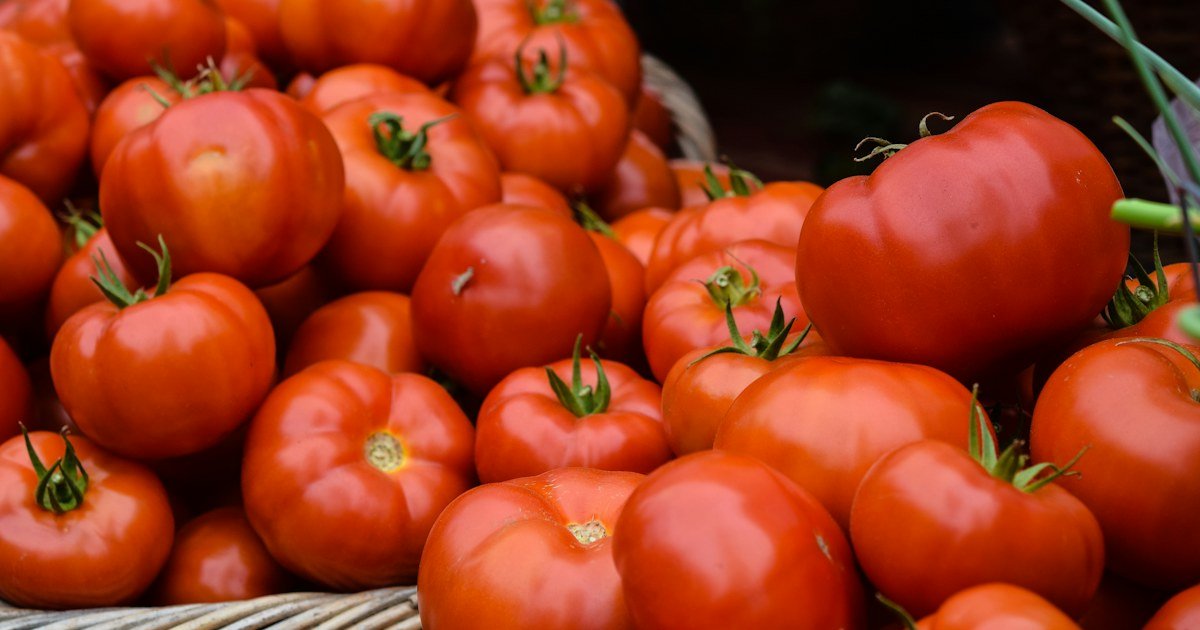
Tomatoes can be harvested when they have reached full size and begun to change color. Leaving fruit on the plant until it is fully ripe can improve flavor, but picking at the breaker or early color stage reduces the time wildlife and weather have to damage it. Handle fruit gently and check the plant every day or two once several tomatoes begin to color.
The best container tomato setup is not the one with the most complicated feeding schedule. It is a stable pot, a suitable variety, strong light, reliable support, and a root zone that is checked before the plant shows stress.
Frequently asked questions
How often should you water tomato plants in pots?
Check the mix rather than following a fixed schedule. Small pots and mature plants may need daily watering in hot weather. Water thoroughly when the root zone begins to dry, and let excess water drain.
Can two tomato plants share one pot?
Usually no. One plant per container gives the roots, leaves, and support system enough room. Sharing a small pot increases competition and makes watering and disease management harder.
Can you grow tomatoes in a five-gallon bucket?
Yes, if the bucket is food-safe, has several drainage holes, and holds one suitable tomato plant. A larger container is more forgiving for vigorous or indeterminate varieties.